 Plan My Safari
Tanzania · Serengeti
Serengeti,The Endless Plains
Plains so wide the sky seems to curve, lions on every kopje and a migration that never really stops.
Plains so wide the sky seems to curve, lions on every kopje and a migration that never really stops.
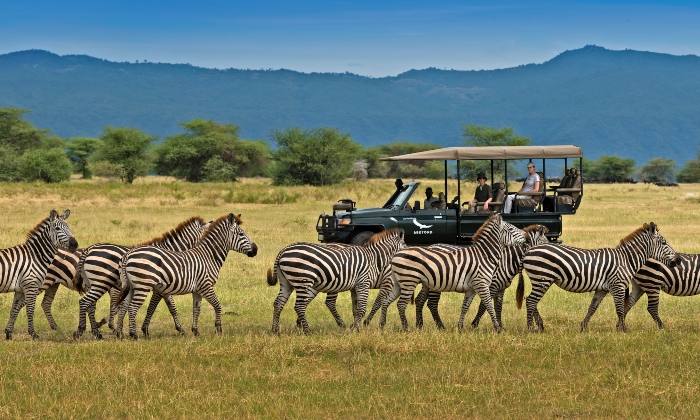
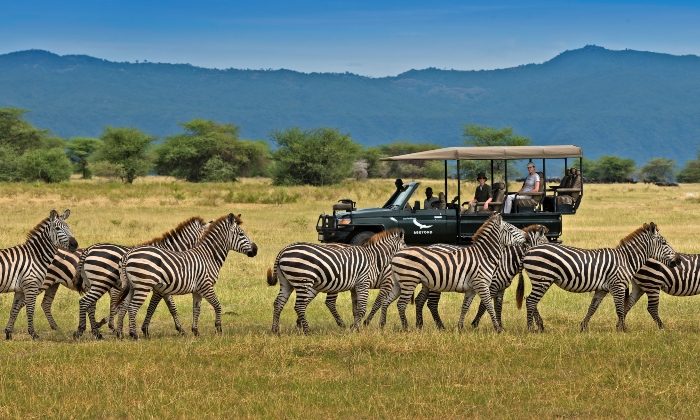
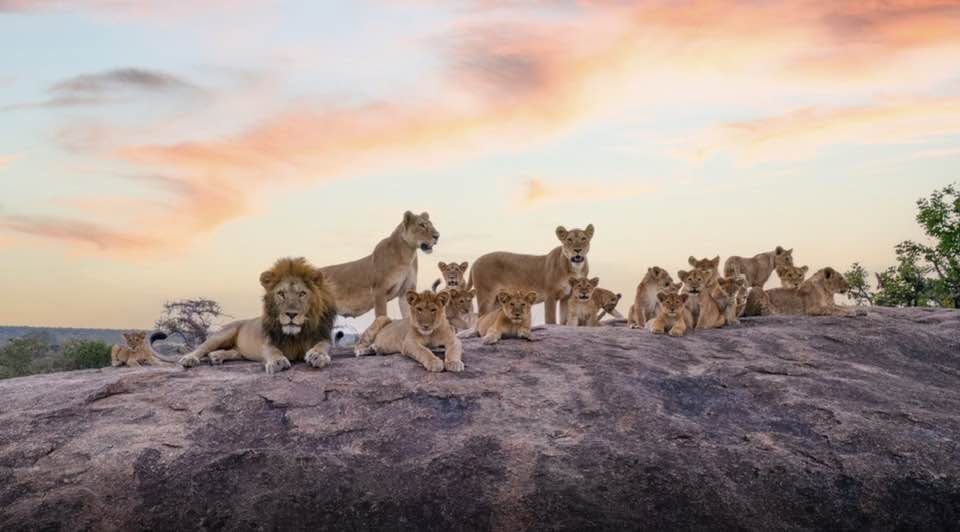
The Serengeti is the kind of place that makes you whisper. Grassland rolls to every horizon, lions snooze on granite kopjes and cheetahs scan the plains for breakfast.
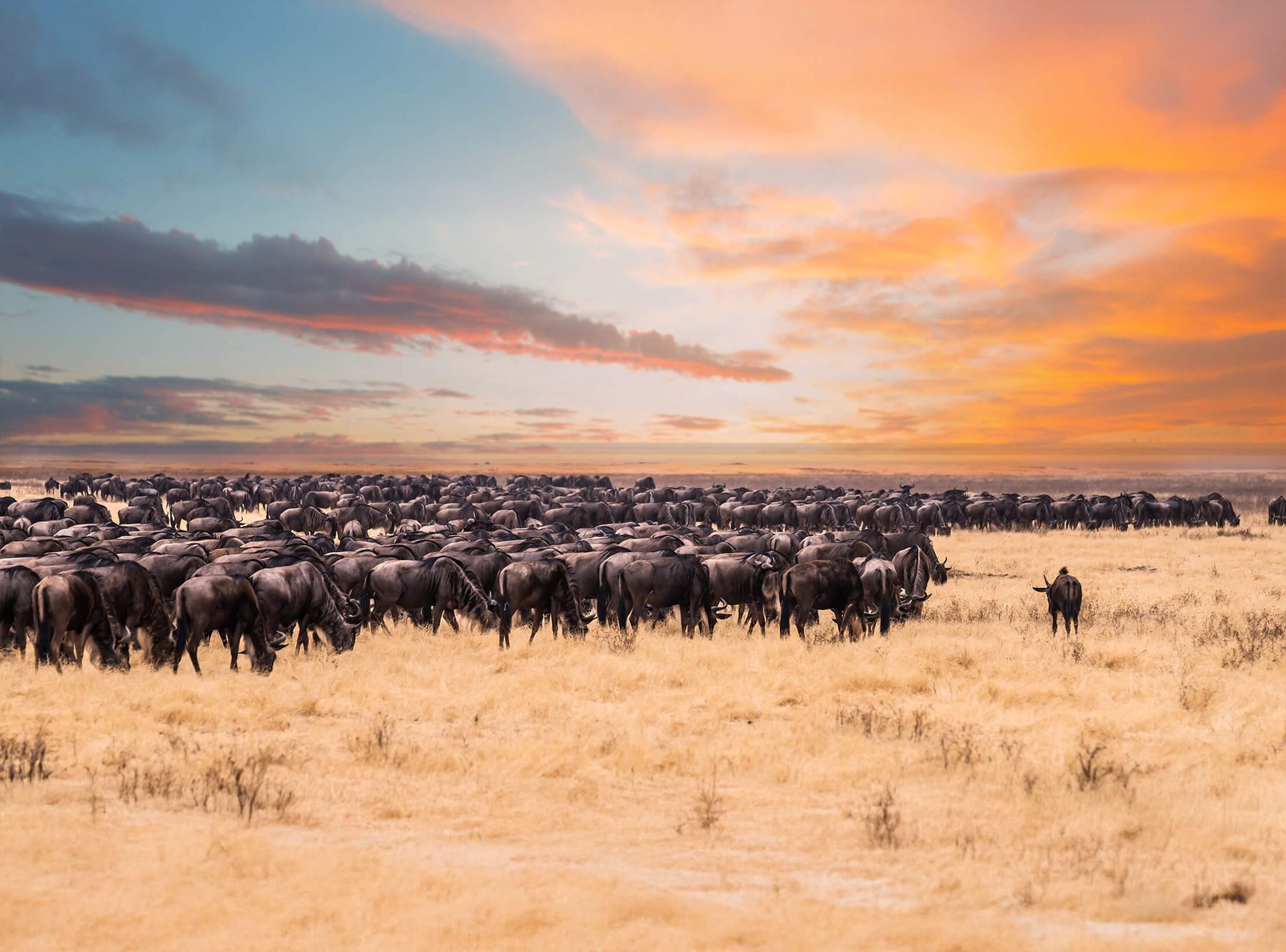
Home to the Great Migration, the park sees herds on the move all year. In the south they calve in January to March, and in the north they cross rivers from July to October.
We place you where the action is and give you the time to enjoy it, with a guide who knows which kopje the lions prefer.
The Serengeti is always busy, but where the herds are changes through the year. Here is how the seasons compare.
Weather patterns shift from year to year, so ask us about the dates you have in mind.
The right place shapes your whole trip. Here are the three styles we recommend most.
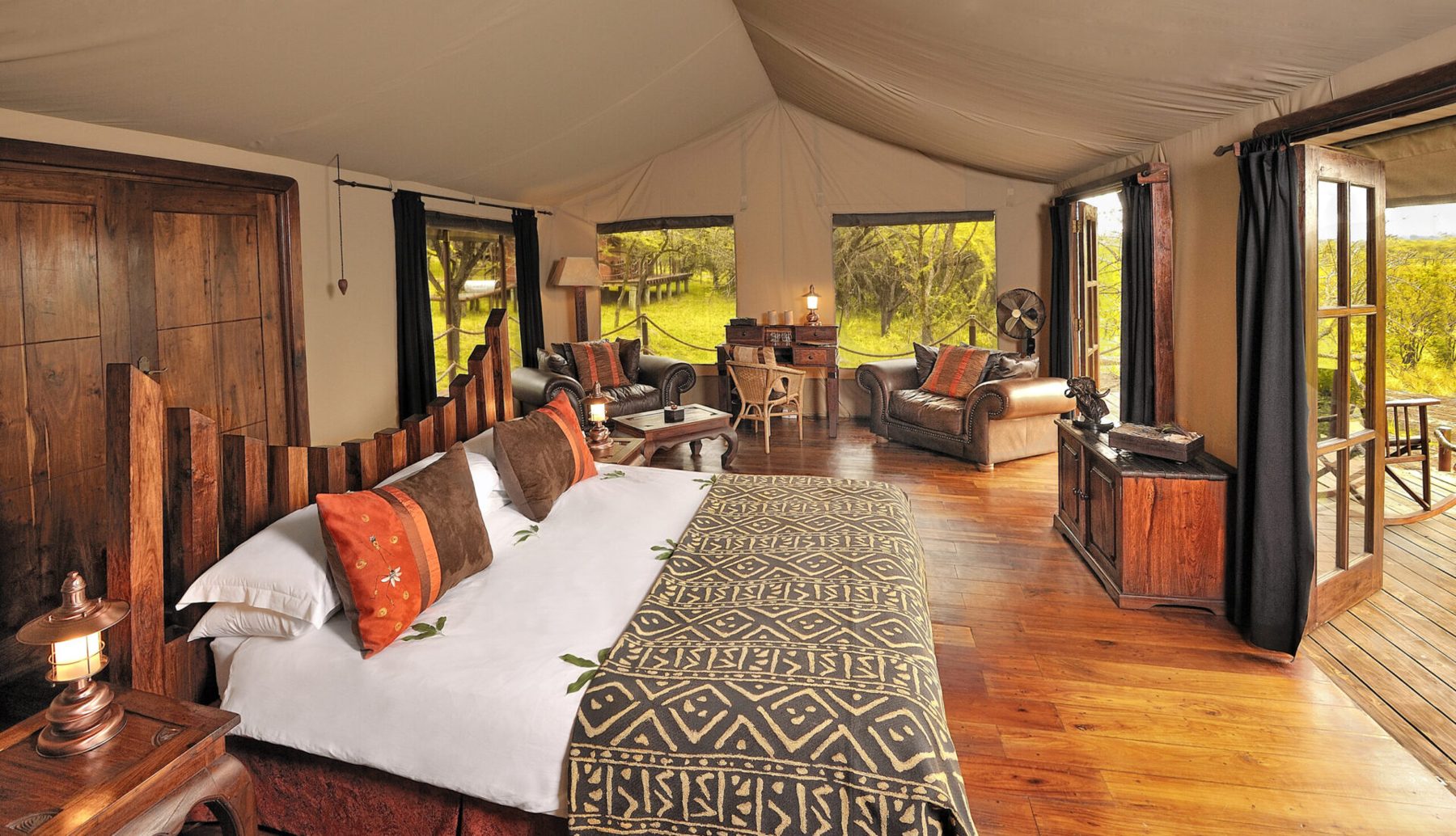 4 – 5 Nights
Spacious tents, private decks and dinners under the stars.
Ask About Stays →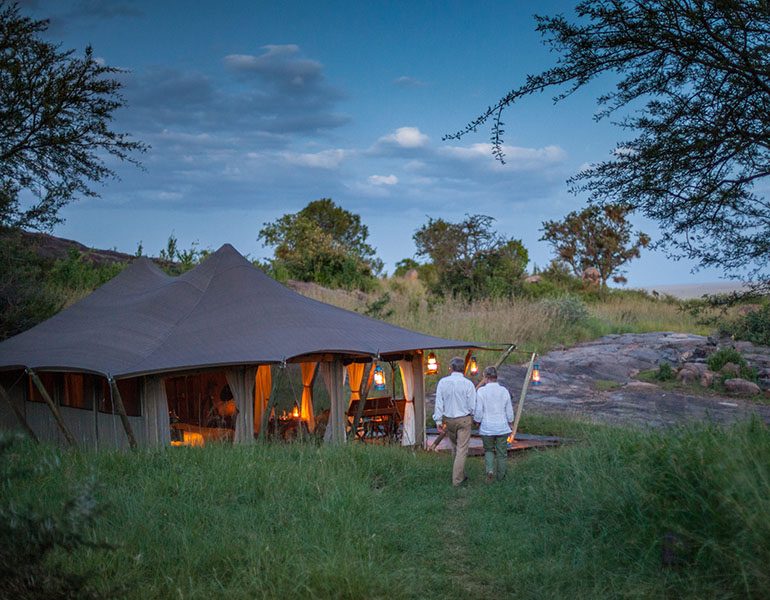 4 – 5 Nights
Smaller camps that move with the migration for the closest views.
Ask About Stays →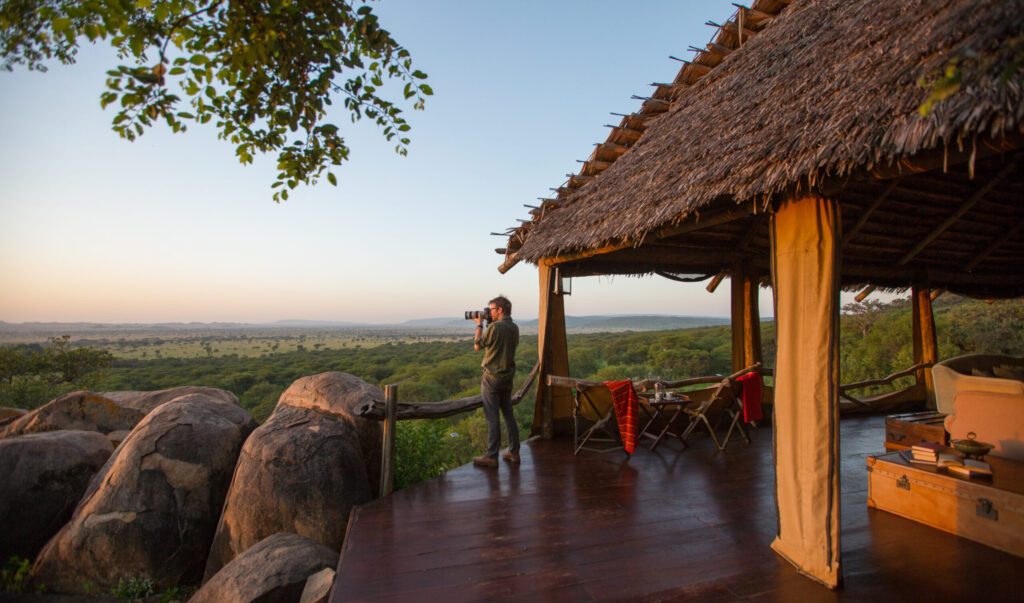 3 – 4 Nights
Terraces and pools looking out over the plains.
Ask About Stays →Every day is different, but this is the rhythm most guests fall in love with.
Cool air, golden light and the cats still on the hunt.
Coffee and hot food served on the open plains.
Follow the herds or find the leopard that slept in a tree.
A cold drink as the sky turns orange and pink.
Starting points, not set menus. Tap one to see the days, then tell us what to change.
The herds are in the Serengeti all year, but they move. January to March is calving in the south, and July to October brings crossings in the north.
Four to five nights lets you cover a lot of ground without rushing. Add more if you want to follow the herds.
Yes, over the Serengeti plains at sunrise, usually followed by a bush breakfast.
Yes. They are one great ecosystem, so crossing from one to the other makes a wonderful trip.
