 Plan My Safari
Where To Stay
Where You Rest,Is Half The Adventure
Start here: what kinds of stay exist, which suits you and your family, and where to look first.
Start here: what kinds of stay exist, which suits you and your family, and where to look first.
Not sure where to begin? Good. Nobody is, and the best safaris start with one small decision.
Pick whichever of these four matters most to you (the place, the animals, the feeling or the dates) and the rest falls neatly into line.
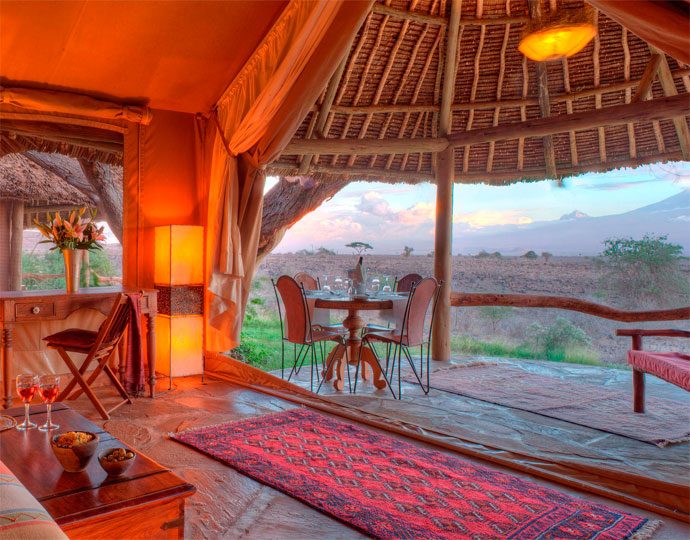
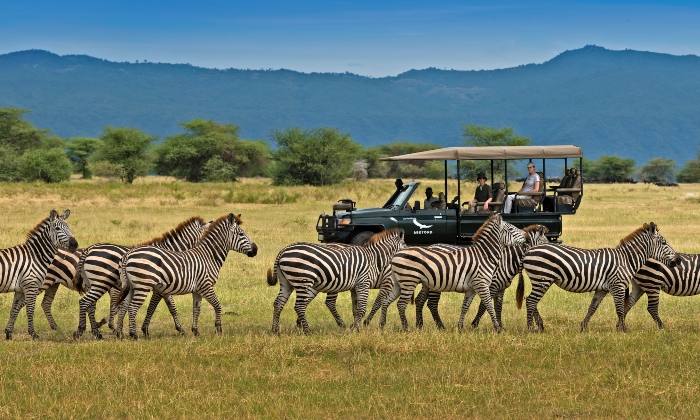
Every region has its own landscape and rhythm: golden Mara plains, red-dust Samburu, Kilimanjaro-framed Amboseli, the misty forests of Bwindi. Think about what you want outside your tent, then choose the stay that sits in it.
Distance matters too. A beautiful camp that needs a long day on the road eats into your safari, so we always check how you get there before we suggest it.
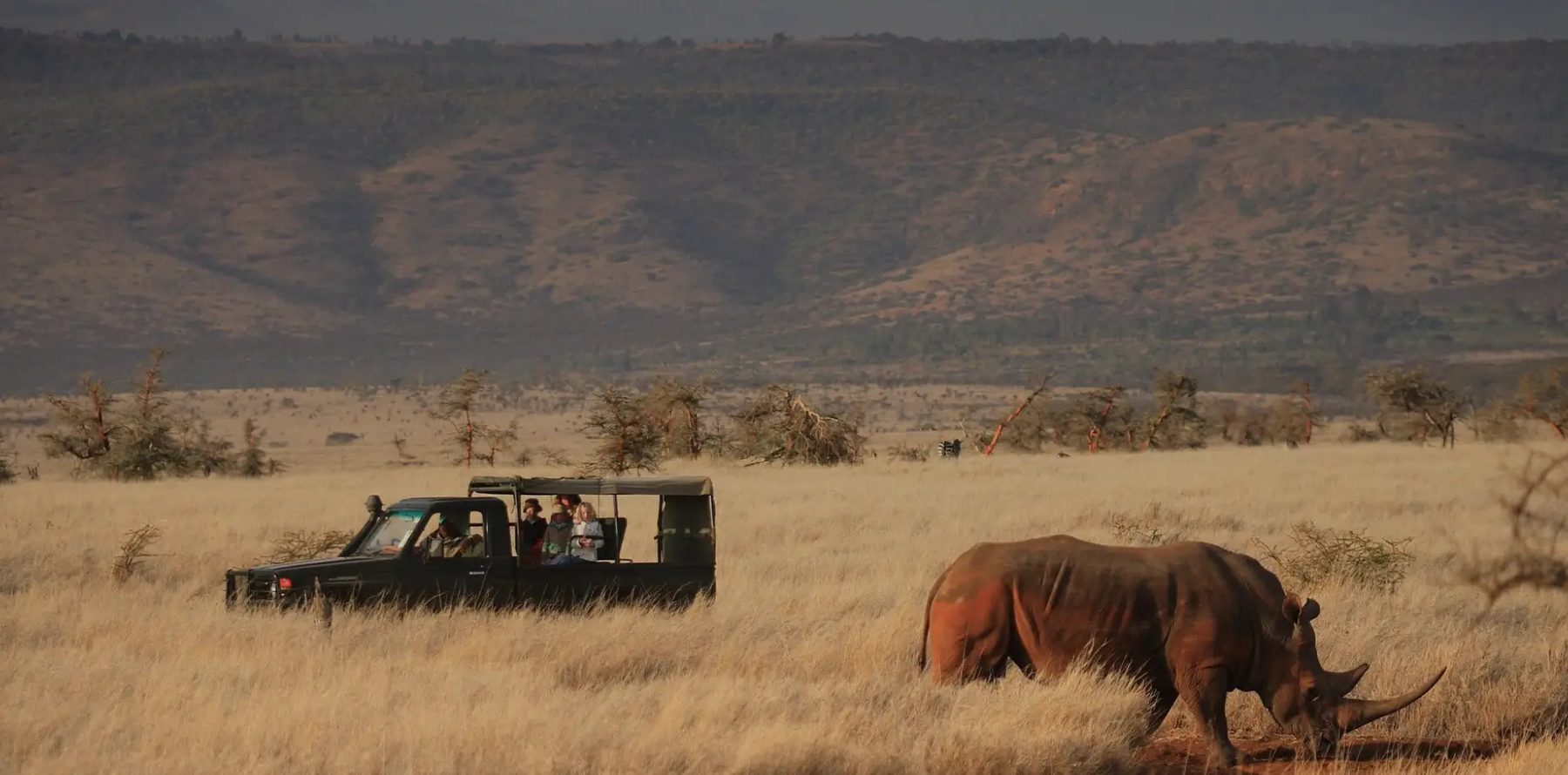
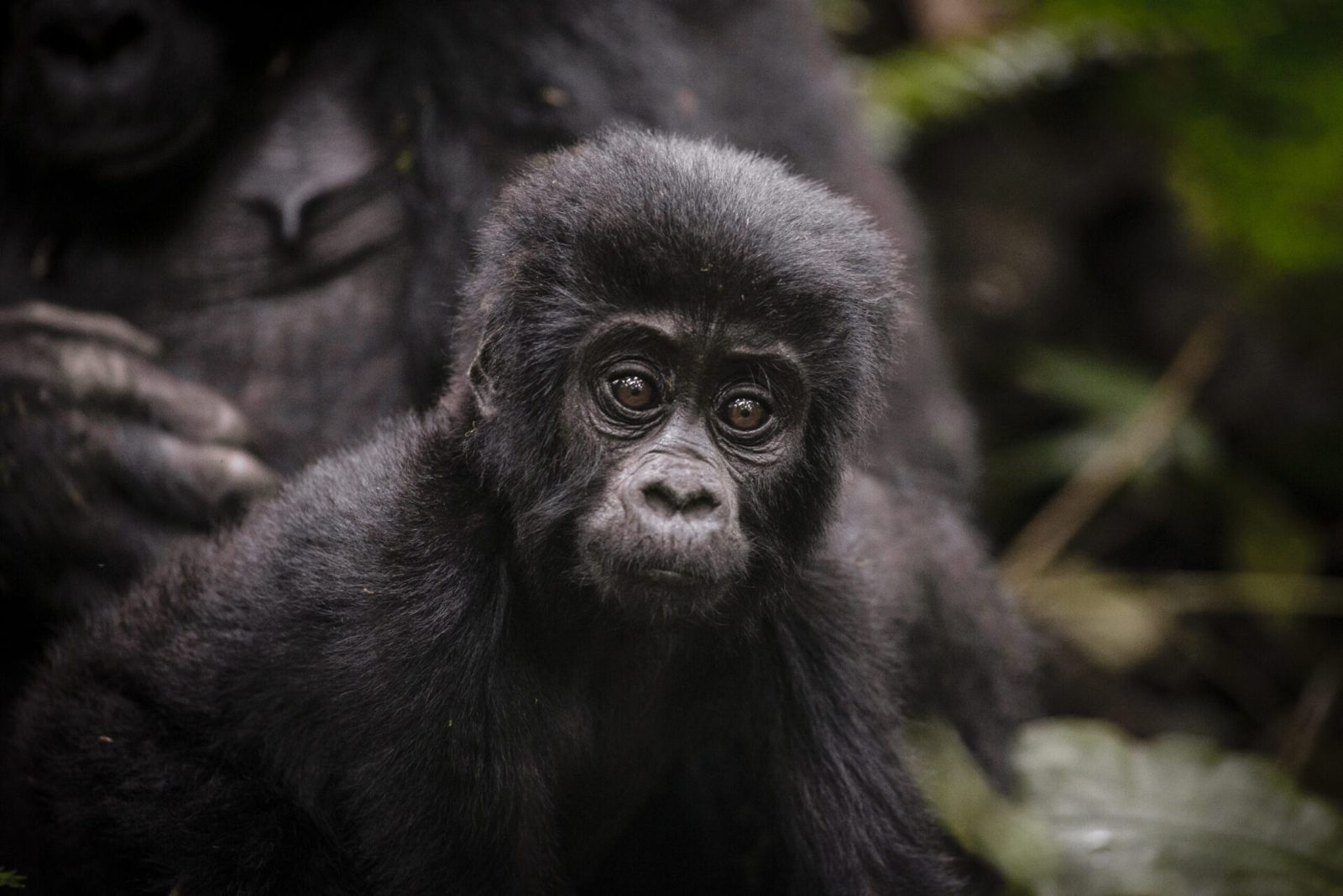
Big cats and river crossings in the Mara and Serengeti. Elephants at Amboseli. Rhino at Ol Pejeta and Laikipia. Gorillas in Bwindi, chimps in Kibale, flamingos at Nakuru and Natron.
Some stays sit on a river crossing or a waterhole. Others are in private conservancies where you can walk and drive at night. The camp decides what you see and how.
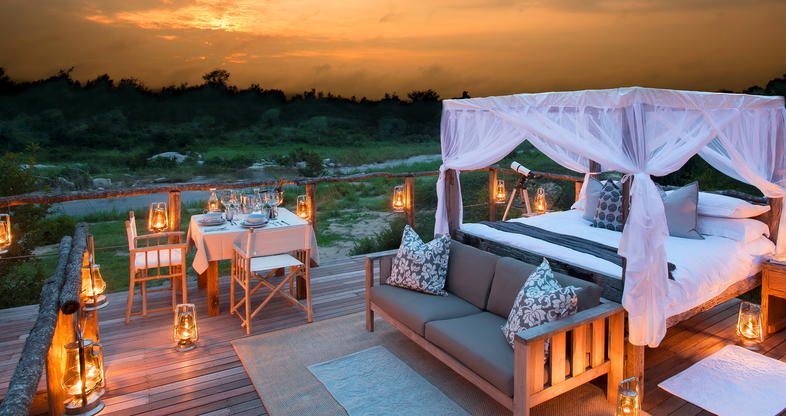
Romance with a private deck and a bush dinner. A family with a pool and children's activities. A whole house to yourselves. Walking, riding and balloon flights. Or simply rest on a beach.
Say how you want the trip to feel and we will match the stay: lively or quiet, active or slow, close to the action or far from it.
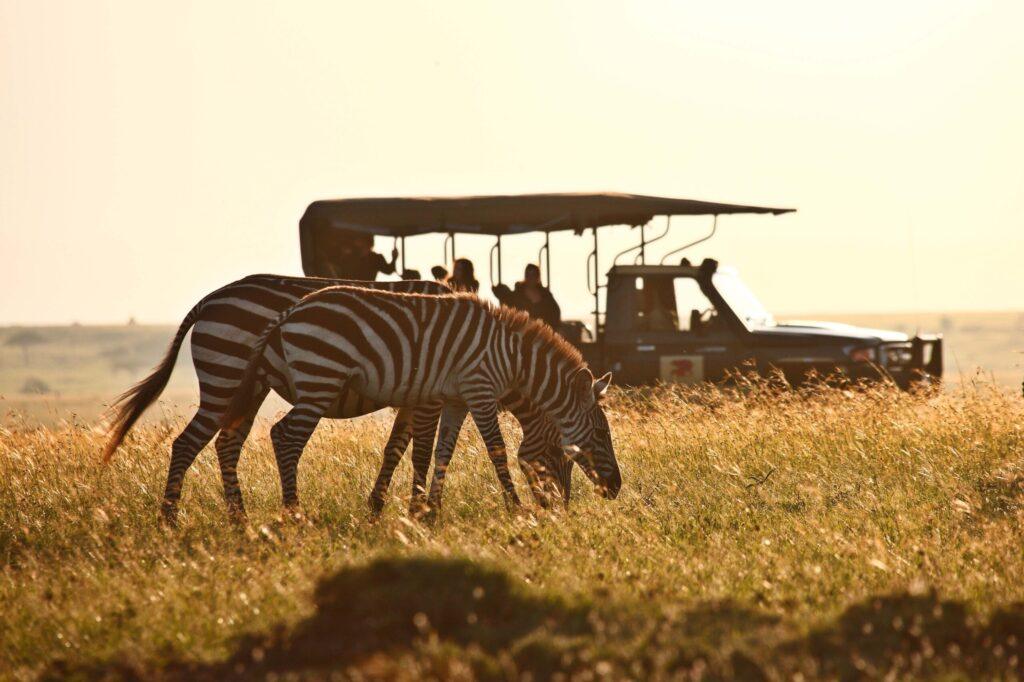
The dry months, June to October, are peak season: the best game viewing and the busiest camps. The green months, November to May, are lush and quiet with newborn animals, great birding and lower rates.
School holidays and Christmas sell out first. If your dates are fixed, choose the place for that season: the Mara for the migration in July to October, the Serengeti for calving in January and February.
Three countries, three personalities. Kenya is the showman, Tanzania is the giant and Uganda is the shy one with a gorilla in its pocket.
Start with Kenya, or wander off to the other two. Each country page opens up its regions, and each region lists every stay we love there.
The classic safari country. Maasai Mara plains, Amboseli elephants beneath Kilimanjaro, Laikipia conservancies, and a coast made for lazy afternoons.
Camp is our word for anywhere you lay your head: tented camps, lodges, bush houses, beach villas, boutique hotels and the odd city apartment. Yes, even the apartment. Nobody said you cannot have a kitchen.
There is no single best one, only the best one for you. A tent with lions grunting outside is a dream for some and a very long night for others. So here is the honest version of each: what it feels like, who it suits and the catch nobody mentions.
Pick one, mix three, or tell us your mood and we will pick for you.
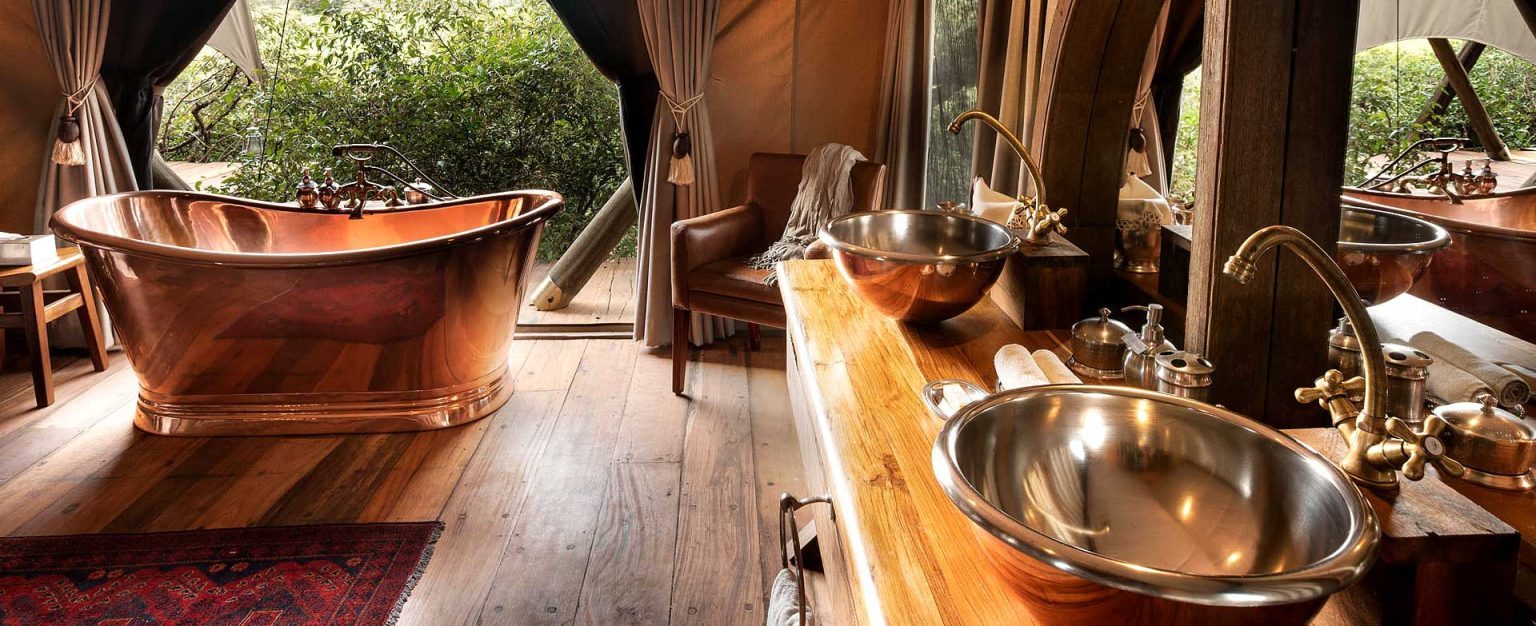
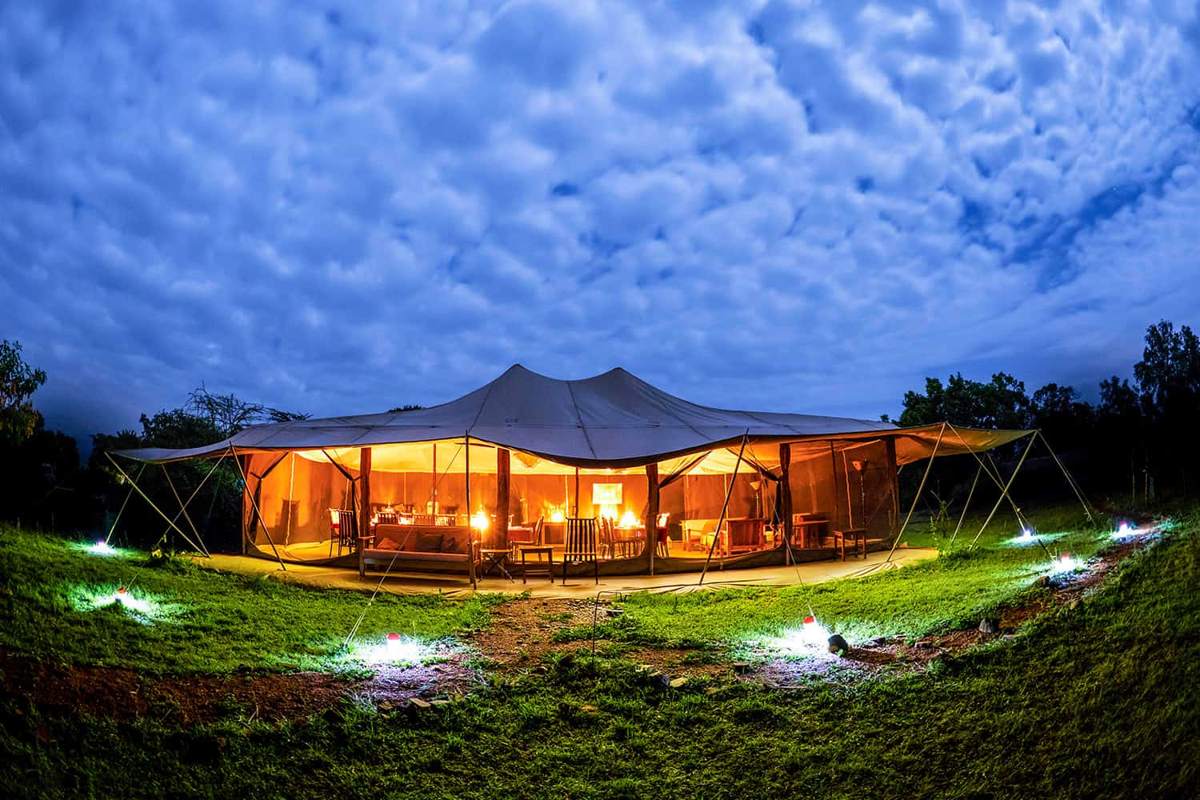
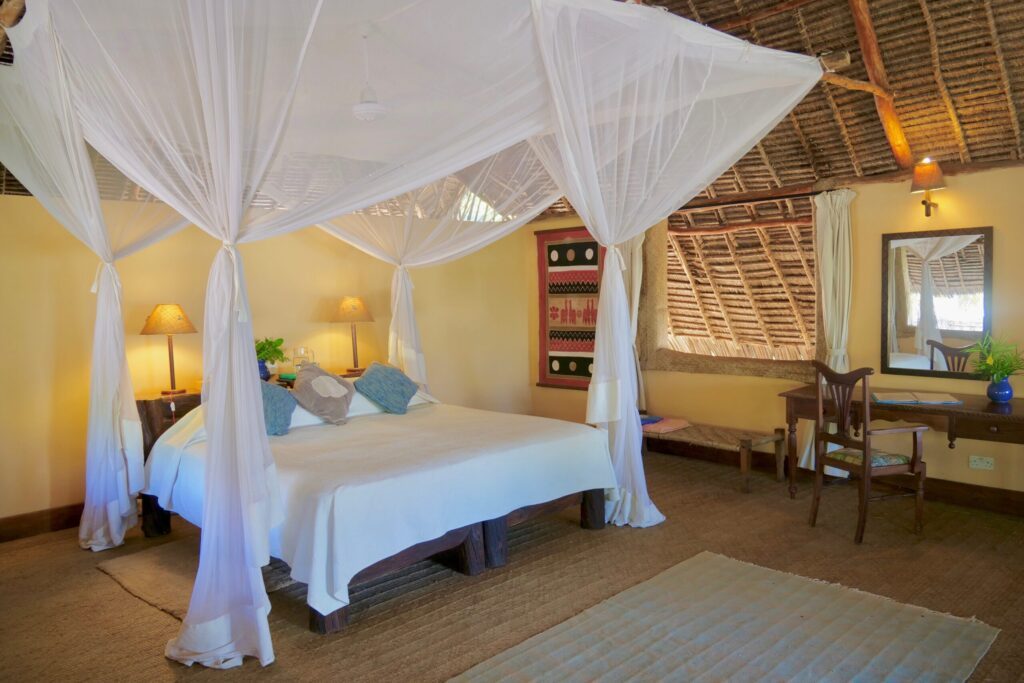
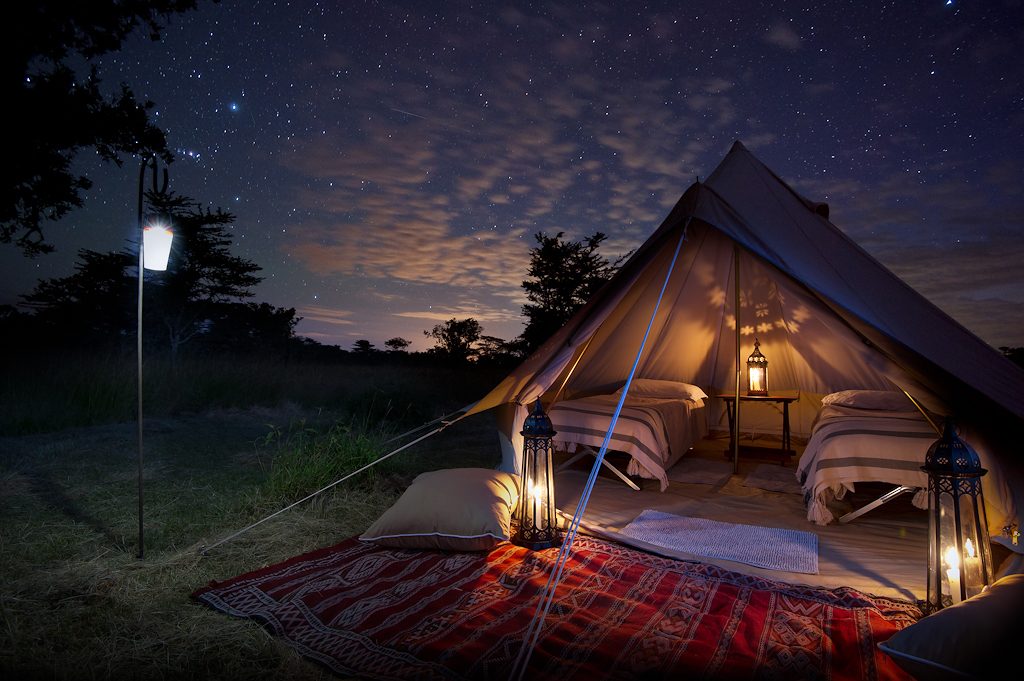
Canvas walls, campfires and the sound of the bush at night. From luxury tented camps to simple bush camps.
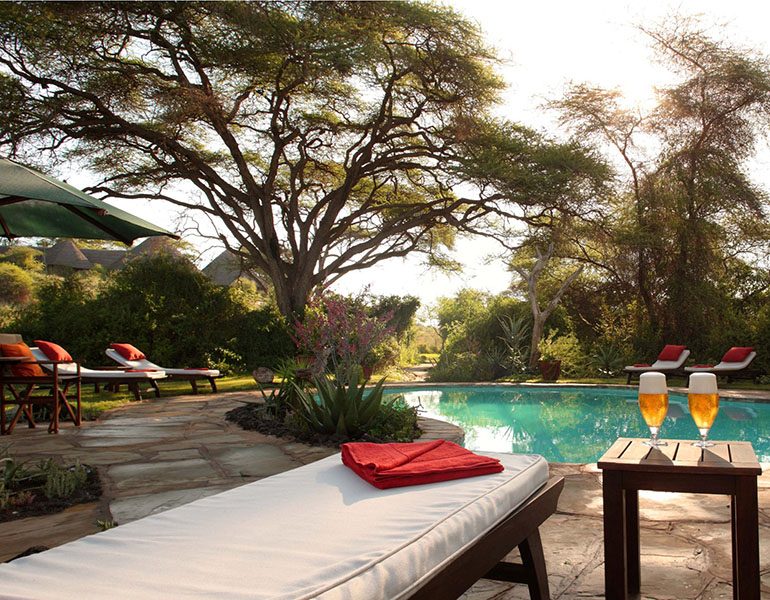
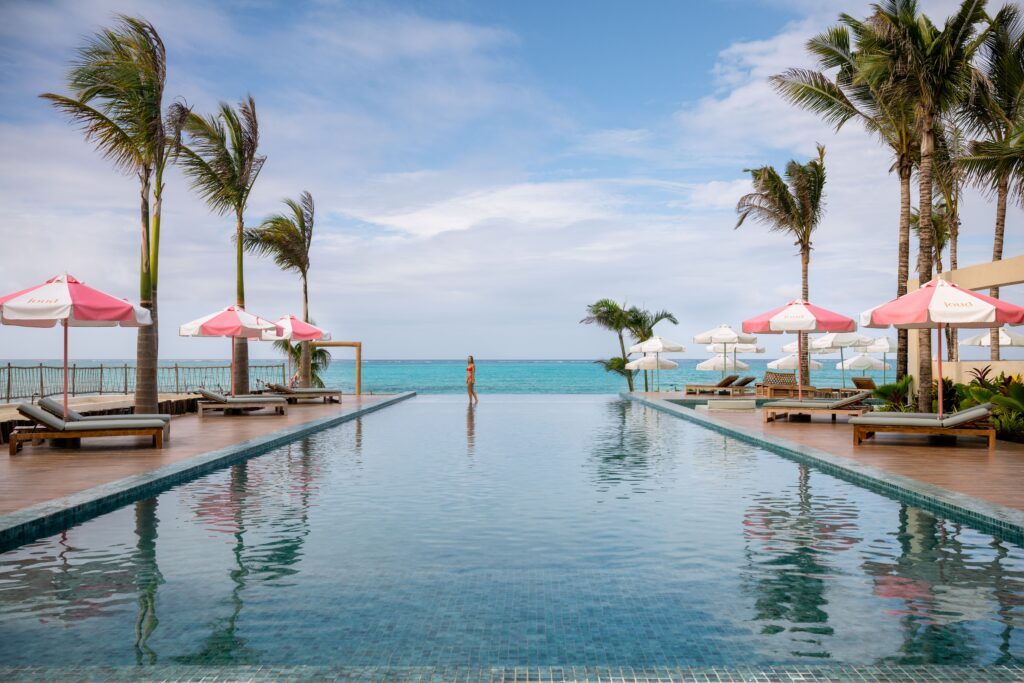
Solid walls, a pool and a view. Safari lodges in the parks and resorts and retreats on the coast.
Your own door in the city, the old town or the beach. Apartments, boutique hotels and private houses.
A toddler, a honeymoon partner and a camera bag all need a very different bed.
Tap the one that sounds like you and see what to look for, and what to ask before you book.
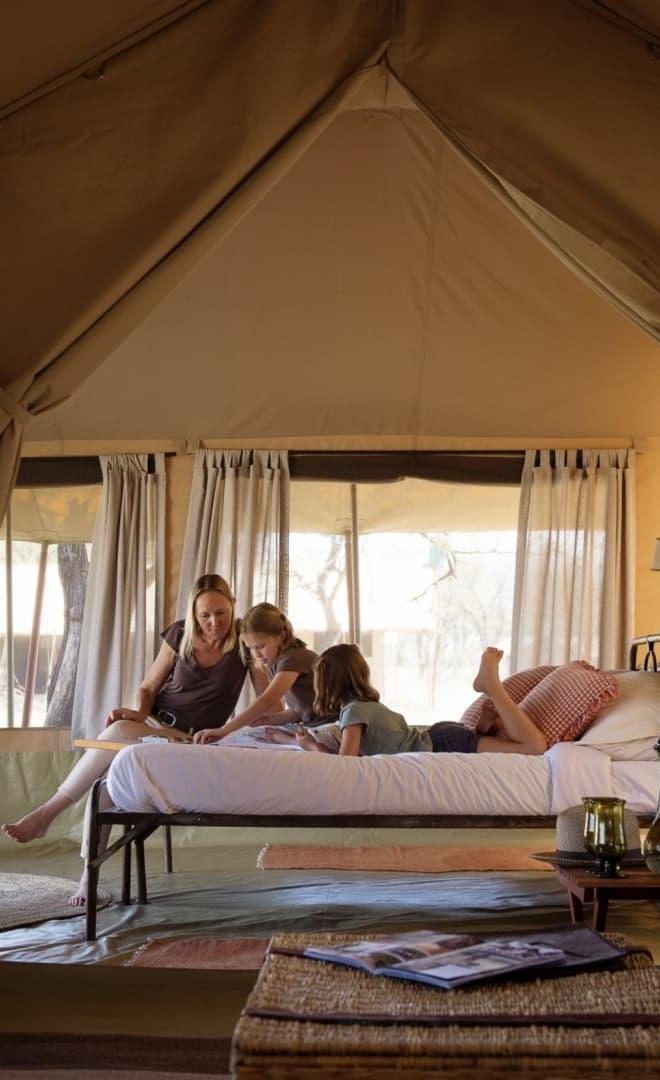
Safari is wonderful with children, provided the stay fits their ages. Rules differ from camp to camp, so it pays to choose with care.
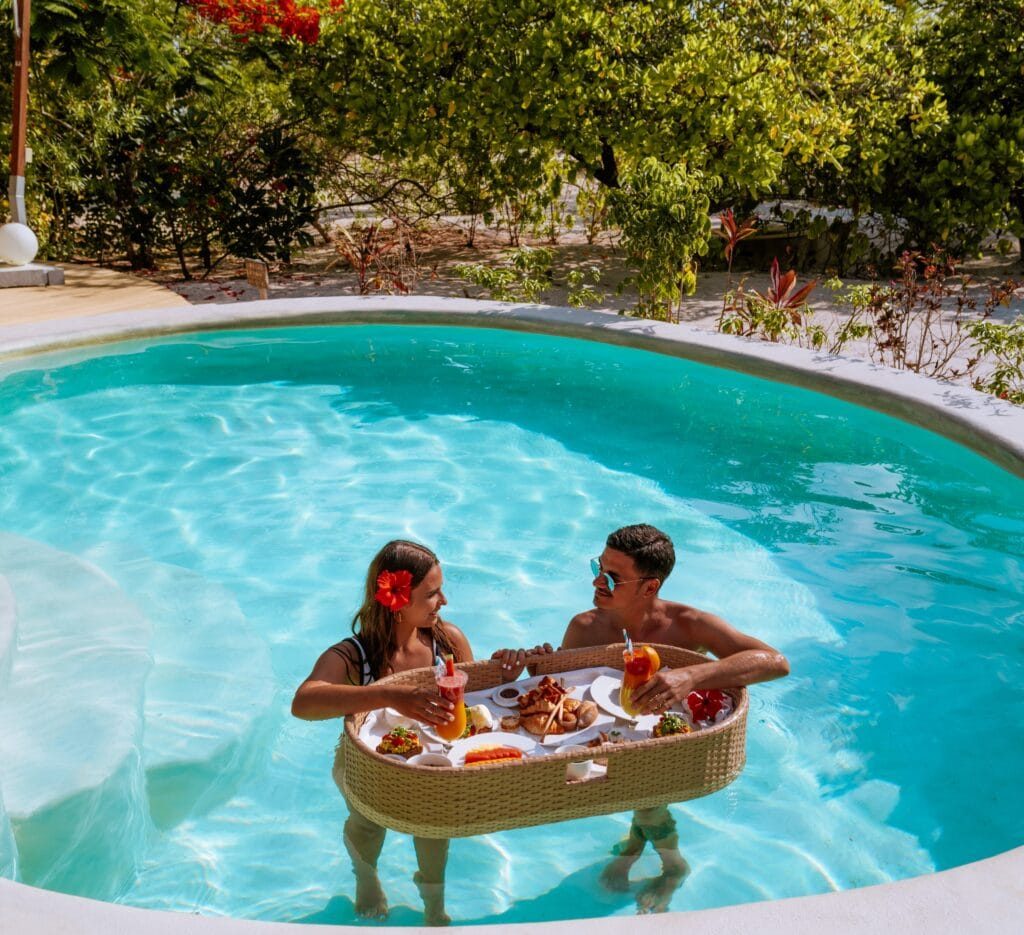
Quiet, romantic and a little bit special. The right camp turns a safari into the trip you talk about for years.
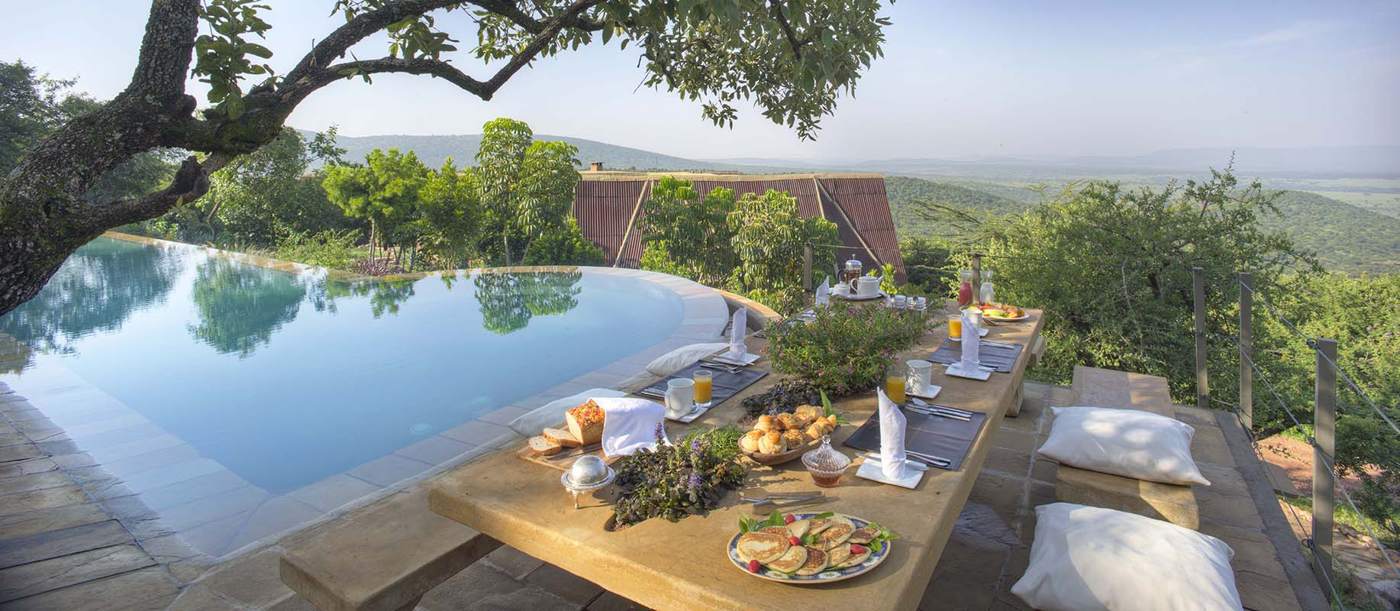
Grandparents, teenagers and everyone in between. The right house makes it easy for all ages to enjoy their own pace.
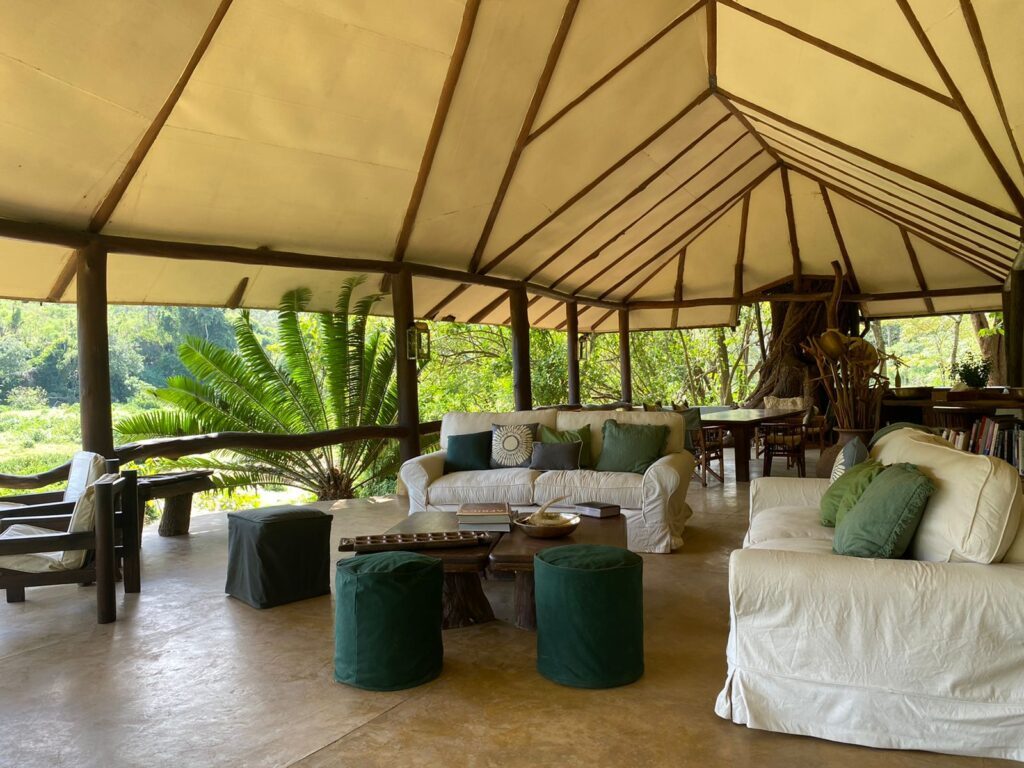
Safari is a wonderfully social way to travel alone, as long as you choose a camp that is friendly and priced fairly.
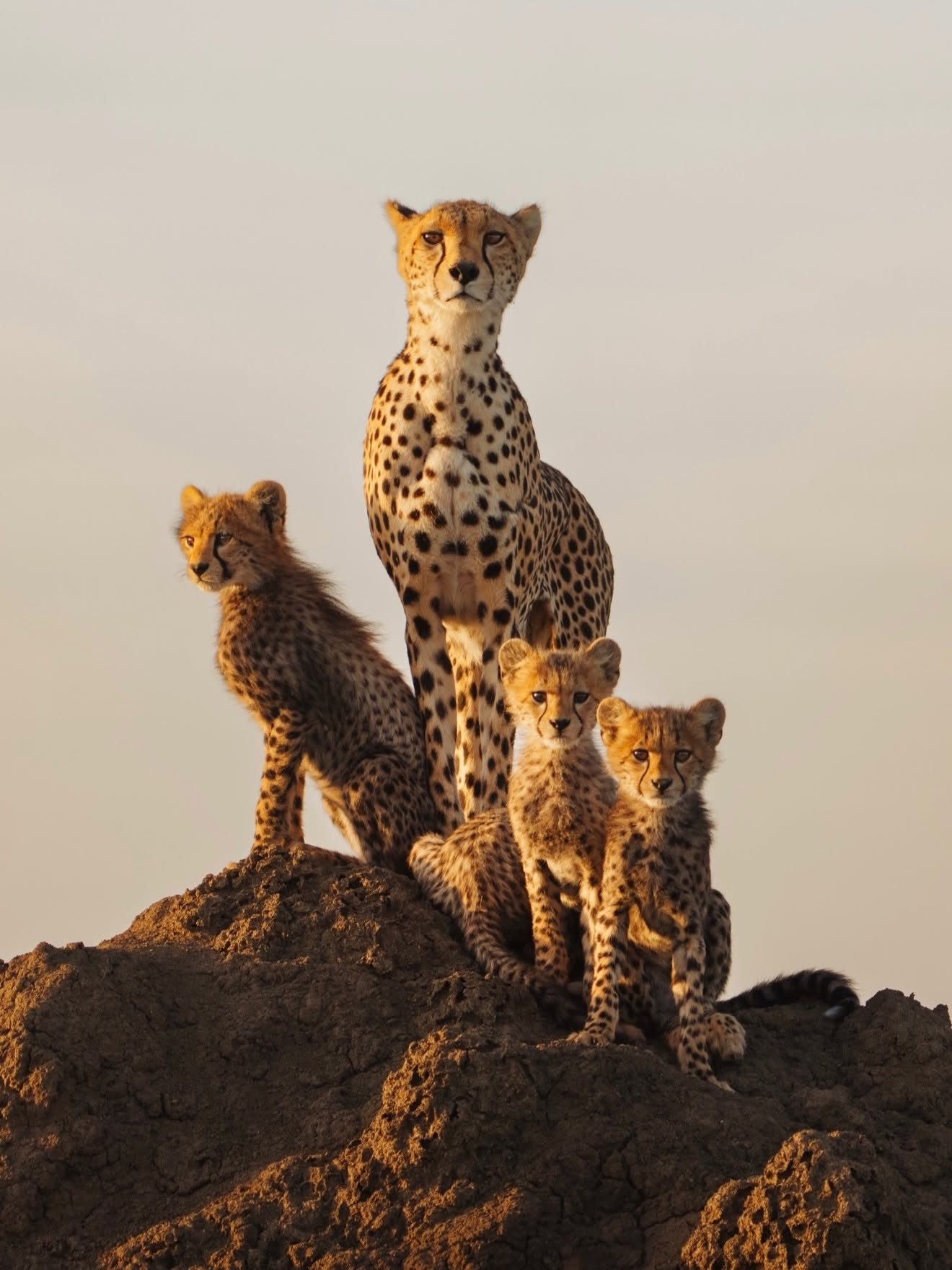
The light, the animals and the access. Your stay decides how many mornings you actually get to use it.
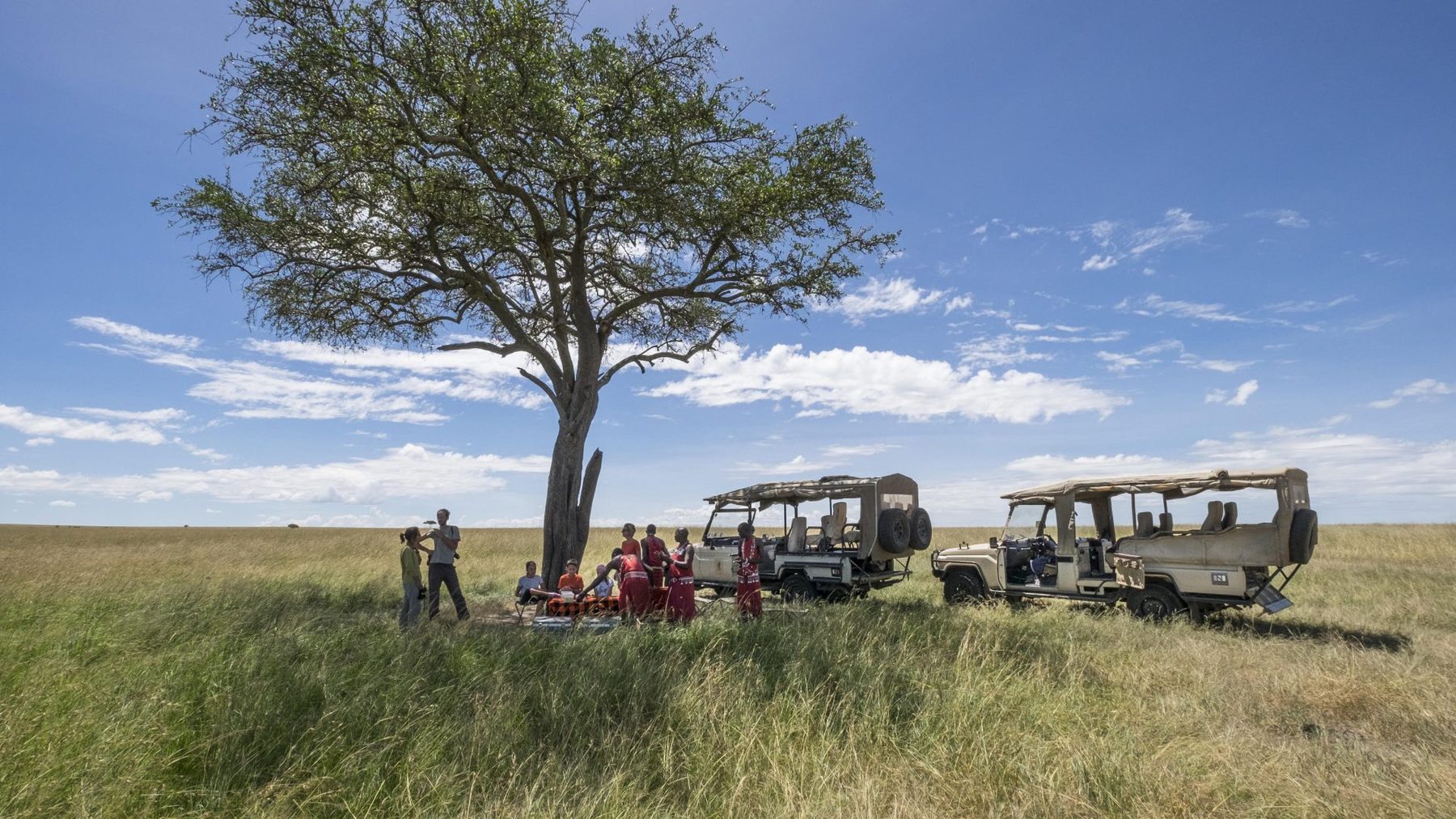
You do not need to get everything right. A few simple choices make a first safari relaxed, comfortable and full of animals.
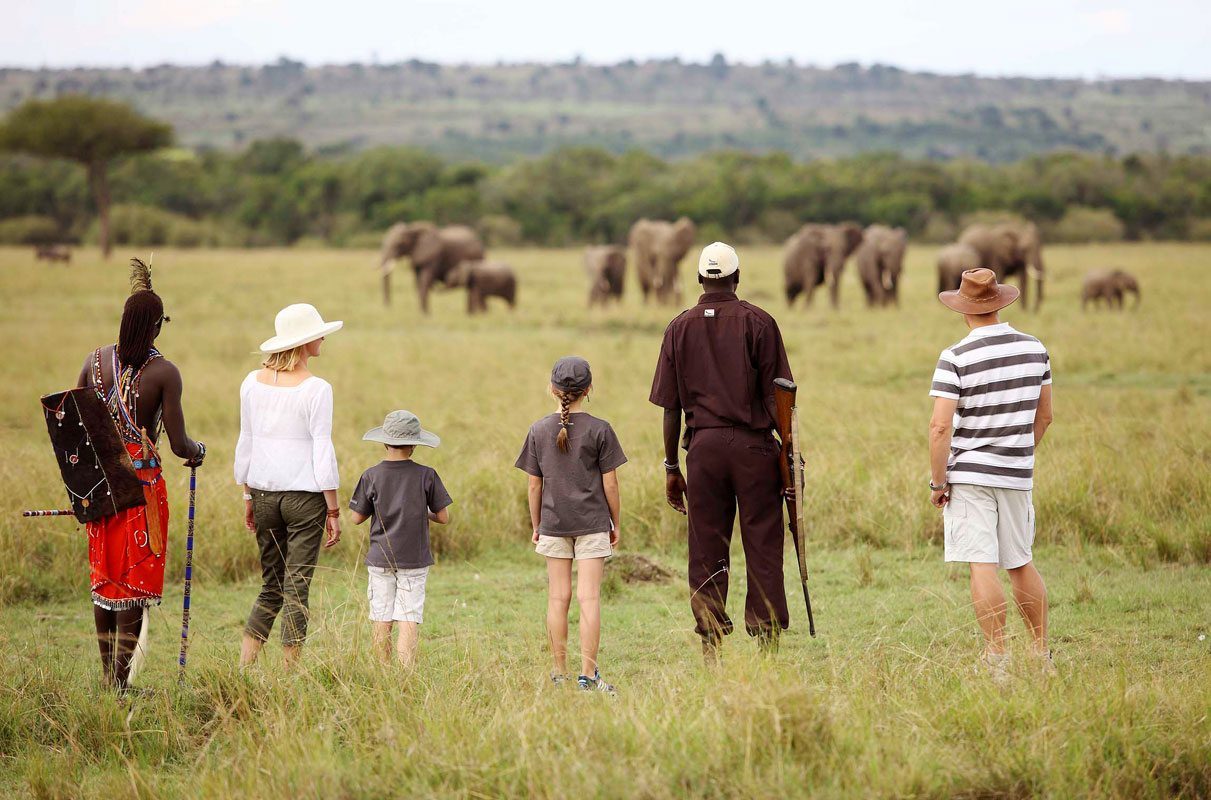
Walking safaris, riding, cycling and fly-camping. For people who want to feel the bush under their feet.
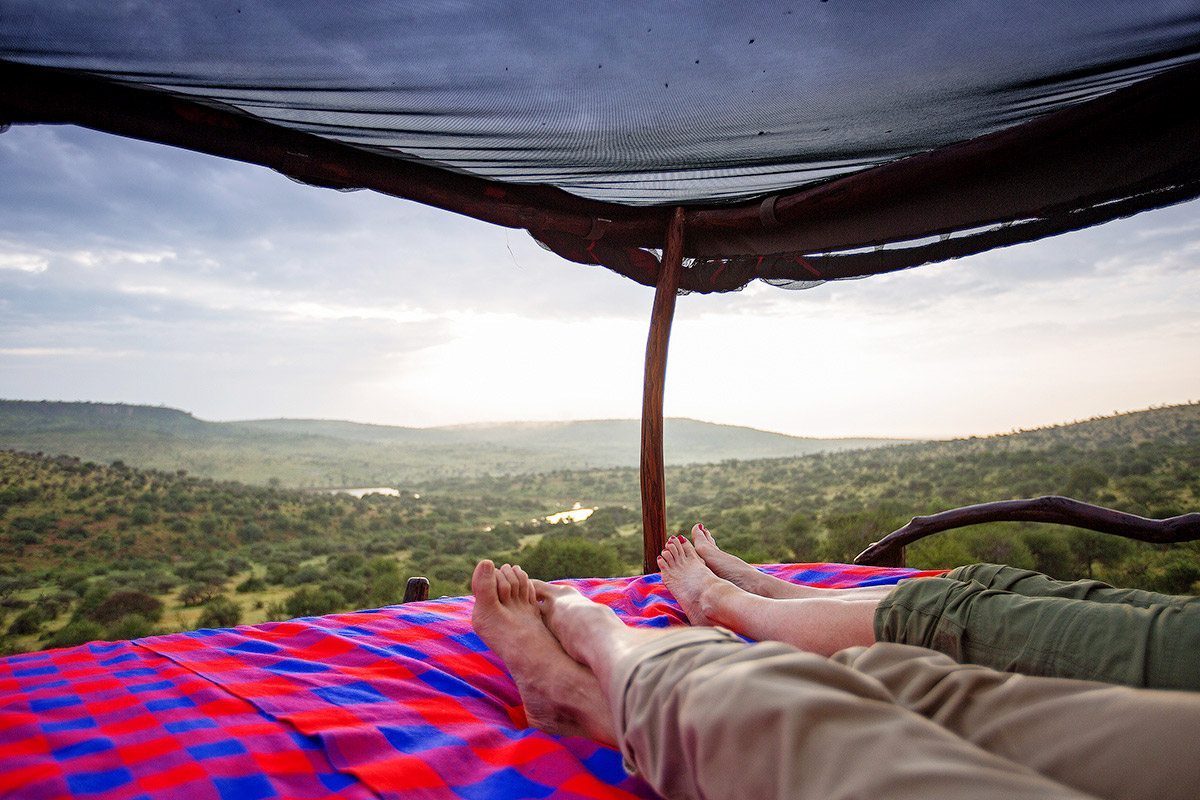
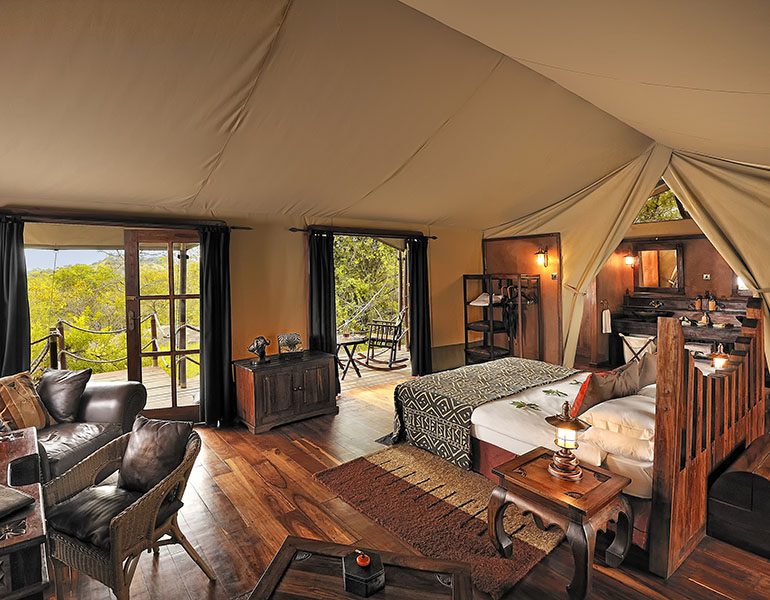
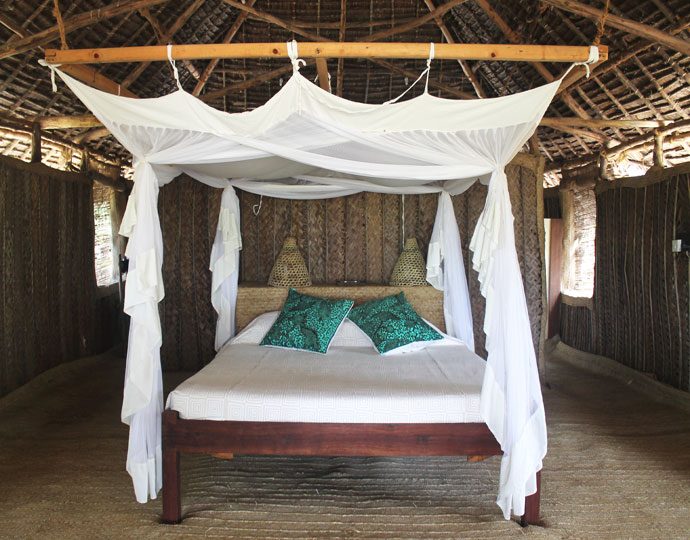
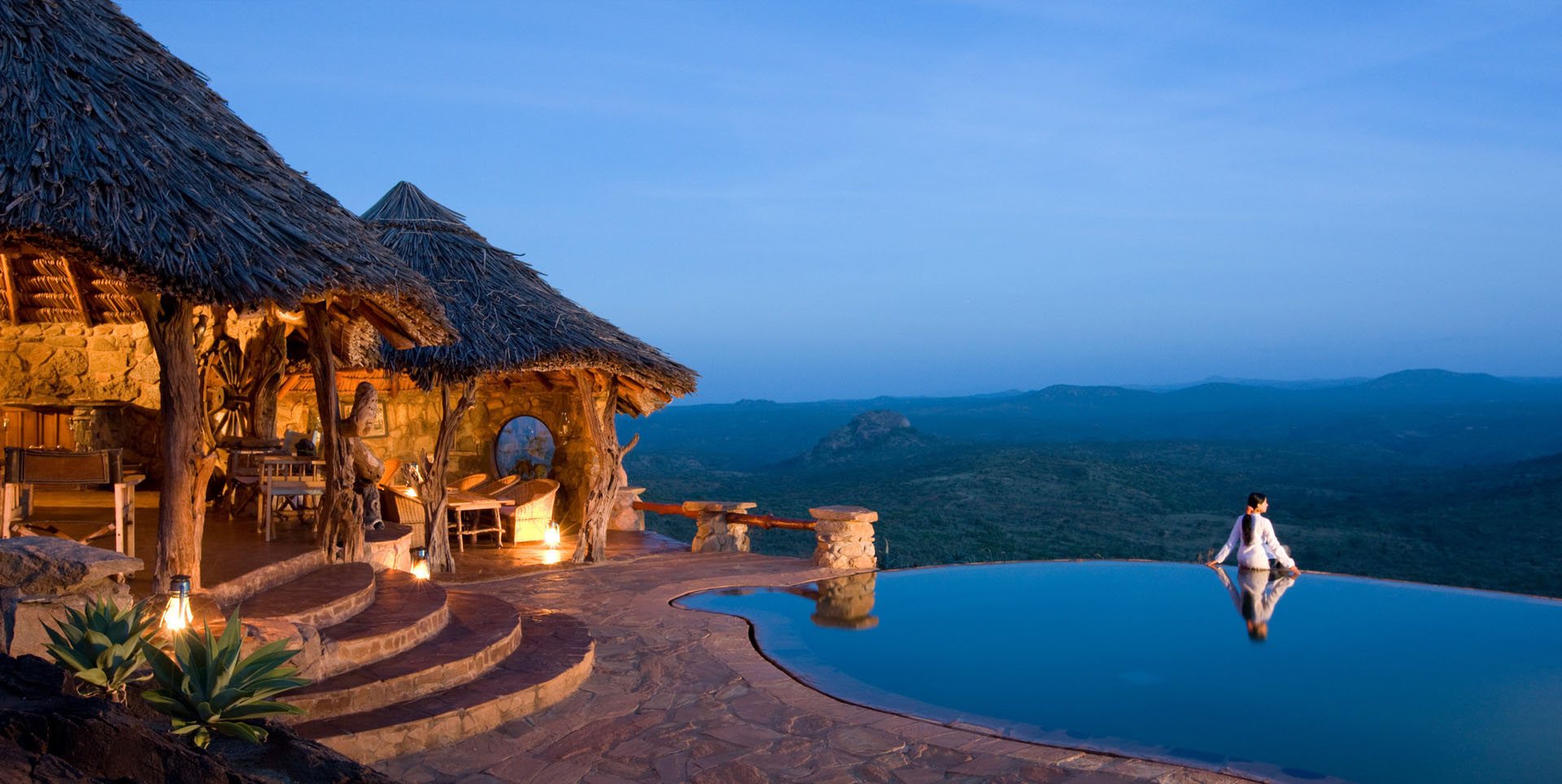
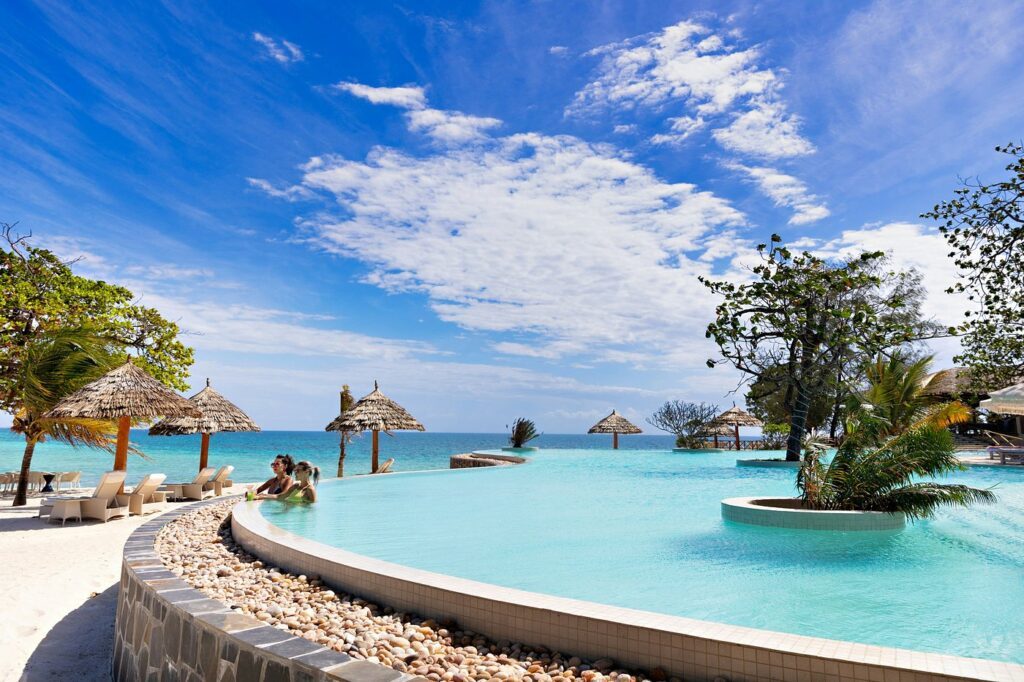
Canvas, thatch, stone and sand. A slow scroll through the places you could be waking up.
A safari day follows the animals, not the clock.
Here is how a typical day unfolds at most camps, lodges and bush houses, from the first coffee to the last story.
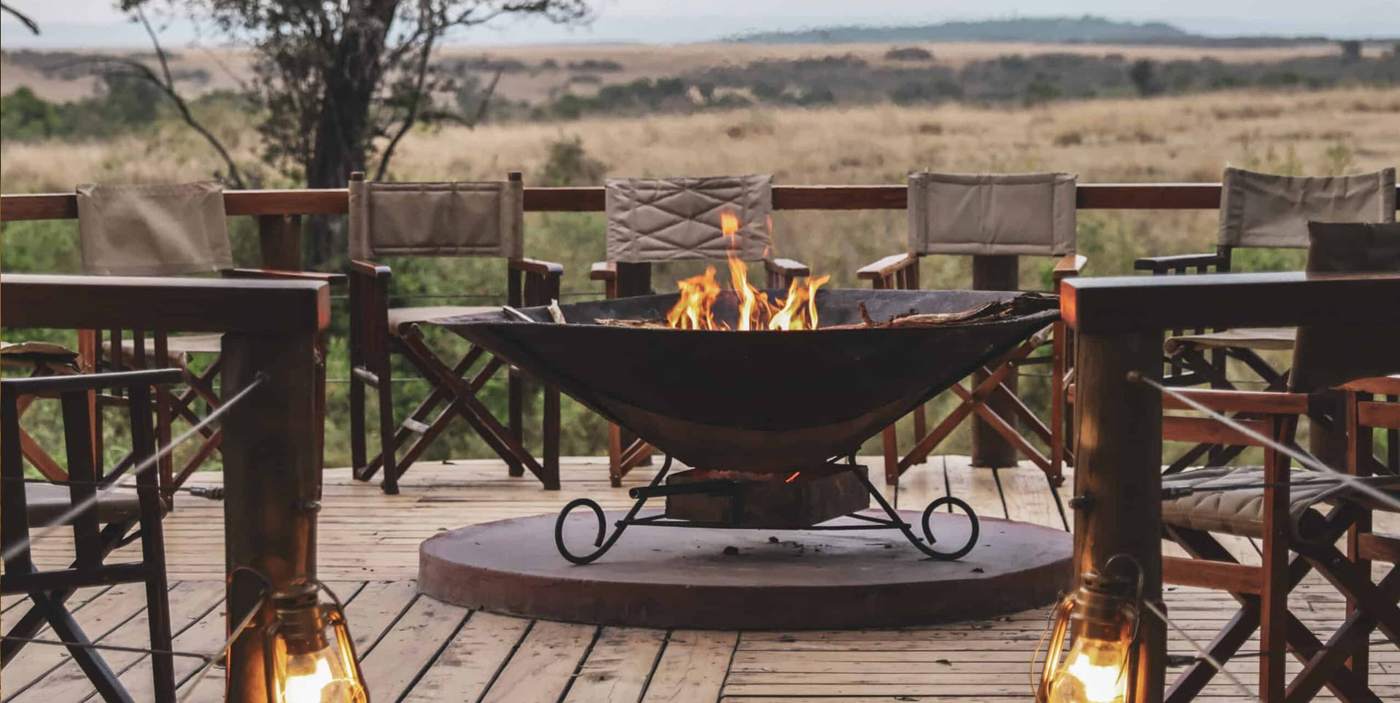
Early to bed, early to rise, and the best coffee of your life.
Coffee, tea and a rusk brought to your tent as the sky turns from navy to gold.
Out with your guide while the cats are still moving and the grass is still wet.
Back to camp, or breakfast laid out under a tree in the middle of nowhere. Bacon always tastes better there.
Lunch, a pool, a book, a nap or a gentle walk. The sun is at its meanest, so you are at your laziest.
Tea, then a late drive, a gin on the plains and sometimes a night drive after dark.
Around the fire or a long table, swapping stories from the day. Early to bed, because tomorrow starts at 5:30.
Expert guides who know the animals by name. Private vehicles on request.
Light aircraft hop you between camps. Soft bags only, usually 15 kg each.
Three meals and afternoon tea, plus bush breakfasts. Tell us about allergies.
Wi-fi is patchy and that is the charm. Solar-charged phones and a quiet hour after dark.
We have watched a lot of safaris go beautifully, and a few go sideways.
Here is what separates the two, free of charge.
Each move costs half a day. Two nights is the minimum anywhere, and three is the happy rhythm. Rushing around is for the animals.
A tented camp for the wild, a lodge for the comfort and a beach for the finish. A good trip is a good cocktail.
Close to the river for the migration. Near the trailhead for gorillas. In a conservancy if you want to walk. Choose the bed for the activity.
July to October and December to January sell out first, and small camps can fill a year ahead. Green season is easier and kinder.
Light aircraft love soft bags and hate hard suitcases. We store the extras in Nairobi, so you travel light and smug.
No smoke, no mirrors. Rates are per person sharing and they follow the seasons the way the herds do.
Here is the calendar, the price of each kind of stay, and what is in the bill.
Lush, quiet and the lowest rates. Afternoon showers, newborn animals and far fewer vehicles.
From $250 ppBright weather, good wildlife and fair rates. A sweet spot for many travellers.
About 17% higherThe best game viewing and the busiest camps. Book early.
About 34% higherIndicative starting rates per person sharing, in the green season. Peak months cost more.
A safari camp is a small, nature-immersed place to stay in a wildlife area, with expert guiding, remote settings and high levels of comfort. On this site we use the word for every kind of stay, including lodges, private houses, beach resorts, boutique hotels and apartments, so you can compare them in one place.
A camp is usually smaller, more intimate and often tented, while a lodge is a more permanent building with more facilities such as a pool and a bigger dining room. Both can be luxurious, but camps usually feel closer to the wilderness around them.
Yes, in the cities and on the coast. In Nairobi, Kampala and Stone Town we can book serviced apartments and boutique hotels. In the parks, camps and lodges are the way to stay, because guiding and meals are part of the experience.
Usually accommodation, meals, local drinks, laundry and the scheduled safari activities. Flights between camps, spa treatments, premium drinks and personal purchases are normally extra. We list exactly what is included in your quote.
Choose by landscape, wildlife, season and travel style. Some camps focus on water-based activities, others on predator sightings, remoteness, family travel or a private and exclusive feel. Our Choosing Your Camp guide above is a good place to start.
Most guests do best with two or three. That combines different habitats, wildlife and activities without spending too much time in transit.
Yes. Camps are designed and run with safety in mind. Guests are guided by trained staff, briefed on camp protocols and escorted to their tents after dark where needed.
Many are, although age policies vary. Some offer family accommodation and flexible activities, while others suit older children or adults seeking a quieter safari. Our Who Is Coming Along guide above explains what to look for.
Usually by light aircraft in the parks, which is quick and a wonderful view. Some routes are better by road, and we mix the two to suit your budget and your patience.
Light, breathable clothing in neutral colours, a warm layer, a hat, sunscreen and comfortable shoes. Soft-sided luggage is strongly recommended, because light aircraft have strict baggage limits.
Limits are usually strict, often around 15 kg per person in a soft bag. We can store extra luggage in Nairobi or at your first hotel.
You get a broader safari: different landscapes, different wildlife and different activities, with a journey that feels layered and varied.
Yes. Tell us about allergies, vegetarian or vegan needs and favourite dishes ahead of time, and the camp chef will plan around them.
For July to October and December, nine to twelve months ahead gives the best choice. The green season is easier and often has rooms with a few months' notice.

Tell us your dates and your dreams and we will suggest the stays that fit.
Plan My Safari